
Precision 1μm stainless steel (SS) filters serve as critical components in chemical processing operations, delivering exceptional particle removal capabilities while maintaining process integrity. These advanced stainless steel filtration elements provide reliable performance across demanding chemical environments, offering superior corrosion resistance and thermal stability. Their micron-rated precision ensures consistent product quality while protecting downstream equipment from contamination. Chemical manufacturers increasingly rely on these specialized filters to meet stringent quality standards and regulatory compliance requirements.
Understanding Chemical Processing Filtration Requirements
Superior Corrosion Resistance for Harsh Chemical Environments
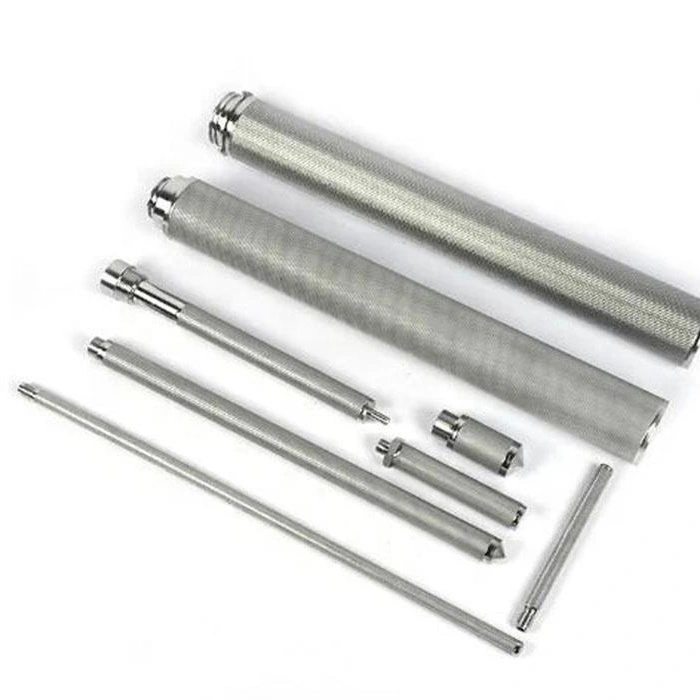
Chemical processing environments present unique challenges that demand highly specialized filtration solutions. Process engineers must manage a range of operational parameters, such as aggressive chemical compositions, high temperatures, and fluctuating pressure conditions. These complex factors often render conventional filtration media ineffective, leading to costly production delays, equipment failures, and safety risks. In this context, stainless steel filtration technology stands out as a fundamental solution. Its superior material properties, particularly the corrosion resistance of high-grade stainless steel alloys like 316L, make it ideal for harsh chemical environments. These alloys are capable of withstanding exposure to highly corrosive substances, ensuring the longevity of filtration systems and reducing the need for frequent replacements. The use of stainless steel in filtration systems directly translates into lower maintenance costs and extended service life, which is crucial for minimizing operational disruptions.
 |
 |
Precision Filtration for Quality and Compliance
In addition to durability, modern chemical manufacturing demands precision in particle removal. Even the smallest contaminants can compromise product quality, trigger regulatory violations, or damage sensitive downstream equipment. Sintered stainless steel filters are designed to meet these stringent requirements, offering absolute micron-rated filtration precision that ensures consistent removal of particles. This high level of accuracy, combined with the filters' ability to maintain optimal flow characteristics over extended operating cycles, makes them essential for maintaining the efficiency, safety, and regulatory compliance of chemical processing facilities.
Technical Specifications and Performance Characteristics
Advanced Sintered Structure for Superior Filtration Performance
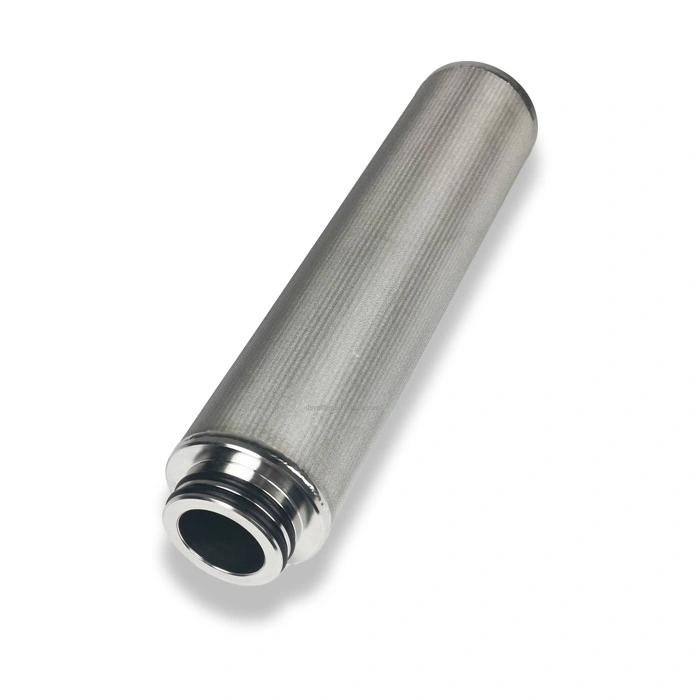
Precision 1μm SS Filter precision-engineered stainless steel filters offer performance characteristics that far outperform conventional filtration solutions, making them a basic component in demanding chemical processing environments. The sintered construction of these filters is designed to create a uniform pore distribution across the entire filter surface. This ensures reliable and highly efficient particle capture, which is essential for maintaining the purity of products and preventing damage to downstream equipment. Unlike conventional wire mesh filters, which often suffer from weak points and inconsistent pore size, the sintered design provides superior mechanical integrity and strength, making it more reliable under pressure and in harsh chemical conditions.
Thermal Stability, Optimized Flow, and Long Service Life
These filters are designed to operate across a broad range of temperatures, from cryogenic conditions to elevated process temperatures, making them versatile enough for use in diverse chemical applications. The intrinsic thermal stability of sintered stainless steel allows it to maintain its structural integrity despite significant temperature changes. This is especially important in processes subject to thermal cycling or sudden thermal shocks, where other filtration systems may fail or degrade. The flow rate of these filters is carefully optimized to balance filtration efficiency with the productivity requirements of the process. The interconnected pore structure maximizes the dirt-holding capacity while minimizing pressure drop, which leads to reduced energy consumption and longer intervals between maintenance. With the added advantage of backwashing capabilities, these filters can be recovered effectively, further extending their service life and reducing the need for costly disposable alternatives. This combination of durability, efficiency, and cost-effectiveness positions stainless steel sintered filters as the ideal choice for chemical processing industries looking to improve performance and reduce operational downtime.
Applications Across Chemical Processing Industries
Polymer and Pharmaceutical Chemical Processing Applications
Precision 1μm SS Filter stainless steel filtration systems have a wide range of applications across various chemical processing industries, where their performance, durability, and versatility meet the rigorous demands of each sector. In polymer production facilities, precision stainless steel filters play an essential role in catalyst recovery and product purification. The chemical compatibility of stainless steel eliminates the risk of contamination from filter materials, which is crucial for maintaining the high purity standards required in advanced polymer applications. These filters are especially effective in separating and recovering catalyst particles, which helps reduce raw material costs while also meeting strict environmental disposal regulations. In pharmaceutical chemical processing, contamination control and material traceability are paramount. Sintered stainless steel filters provide exceptional filtration performance, supported by full material certification and documented characteristics. The cleanability of these filters meets the rigorous validation protocols required in pharmaceutical manufacturing, ensuring that filters can withstand multiple cleaning and sterilization cycles without degradation. This enables continuous production without compromising filter integrity, ensuring that products meet both safety and quality standards at all stages of manufacturing.
Petrochemical Refining and High-Pressure Process Protection
Petrochemical refineries also depend on stainless steel filtration systems for process fluid filtration and equipment protection. The robust construction of these filters is designed to withstand the mechanical stresses and extreme conditions of high-pressure petrochemical processes. Their corrosion resistance is especially valuable when handling aggressive compounds, such as sulfur-containing petrochemical streams. By reducing equipment downtime, stainless steel filters significantly enhance refinery throughput and operational efficiency, supporting continuous operations in this demanding industry.
Material Selection and Manufacturing Excellence
The selection of appropriate stainless steel grades significantly impacts filter performance in chemical applications. Grade 316L provides enhanced corrosion resistance through its low carbon content and molybdenum addition. This composition proves especially effective against chloride-containing solutions and acidic environments commonly encountered in chemical processing. Manufacturing processes utilize advanced sintering techniques that create metallurgical bonds between individual particles. This approach produces filter components with superior mechanical strength compared to alternative construction methods. The controlled sintering environment ensures consistent pore geometry throughout the filter structure, eliminating performance variations that may impact chemical process outcomes. Quality control measures incorporate comprehensive testing protocols that verify filtration accuracy, flow characteristics, and structural integrity. Each manufacturing batch undergoes bubble point testing to confirm pore size distribution. Mechanical testing validates pressure ratings and structural durability under operational stress conditions. These quality assurance steps ensure reliable performance in critical chemical processing applications.
Installation and Maintenance Considerations
Proper installation procedures maximize filter performance and service life in chemical processing environments. System engineers must consider flow direction, differential pressures, and thermal expansion characteristics during installation planning. The robust construction of sintered stainless steel (SS) filters accommodates typical installation stresses without performance degradation.
Maintenance procedures should establish regular inspection schedules based on process conditions and operating experience. Differential pressure monitoring provides an early indication of filter loading, allowing for proactive maintenance scheduling. The cleanable nature of stainless steel filters enables predictive maintenance approaches that optimize operating costs while maintaining process reliability.
Cleaning procedures utilize various techniques depending on the nature of accumulated contaminants. Backflushing with compatible solvents effectively removes most chemical residues. Ultrasonic cleaning provides additional cleaning efficiency for stubborn deposits. The chemical resistance of stainless steel allows for the use of aggressive cleaning agents when necessary, restoring initial flow characteristics and filter performance.
Economic Benefits and Cost Analysis
Total Cost of Ownership (TCO) calculations demonstrate the significant economic advantages of Precision 1μm SS Filter stainless steel filtration systems. Upfront capital expenditures are quickly offset by an extended service life and reduced replacement frequency. The cleanable nature of these filters eliminates ongoing disposable filter costs while significantly reducing waste disposal expenses. Chemical processing facilities typically achieve payback within the first year of operation through reduced maintenance and replacement costs.
Production efficiency improvements result from consistent filtration performance throughout extended operating cycles. Reduced batch rejections due to contamination translate directly into improved profitability. The reliability of stainless steel filters minimizes unplanned downtime, maintaining production schedules critical for Just-in-Time (JIT) manufacturing environments. Labor cost savings emerge from simplified maintenance procedures and extended service intervals. Furthermore, automated backwashing systems reduce manual intervention requirements. The durability of stainless steel construction minimizes the risk of catastrophic filter failure, which could otherwise result in extensive cleanup costs or severe equipment damage.
Conclusion
Chemical processing industries continue to necessitate increasing levels of filtration precision and reliability. Precision sintered stainless steel (SS) filtration technology fulfills these rigorous requirements through superior material properties, advanced manufacturing techniques, and proven performance characteristics. The combination of corrosion resistance, thermal stability, and exceptional cleanability makes these filters ideal for demanding chemical environments. Investment in high-quality filtration systems yields significant returns through improved product quality, reduced maintenance costs, and enhanced operational reliability. Chemical processors who prioritize filtration excellence are strategically positioned for long-term success in increasingly competitive global markets.
Partner with FILTURE for Your Chemical Processing Needs
FILTURE delivers state-of-the-art precision 1μm SS filter solutions, custom-engineered for demanding chemical processing applications. Our advanced sintered stainless steel technology ensures reliable particulate contamination control while maximizing operational efficiency. Please contact sam.young@sintered-metal.com to discuss your specific filtration requirements with our application specialists.
References
1. Smith, J.R., and Anderson, M.K. "Advanced Filtration Technologies for Chemical Process Industries." Chemical Engineering Progress, vol. 118, no. 7, 2022, pp. 45-52.
2. Thompson, L.P., et al. "Sintered Stainless Steel Filter Performance in Corrosive Chemical Environments." Industrial & Engineering Chemistry Research, vol. 61, no. 15, 2022, pp. 5234-5241.
3. Davis, R.W., and Chen, S.Y. "Precision Filtration in Pharmaceutical Chemical Manufacturing: Standards and Best Practices." Pharmaceutical Engineering, vol. 42, no. 4, 2022, pp. 78-85.
4. Rodriguez, A.M. "Economic Analysis of Cleanable vs. Disposable Filtration Systems in Chemical Processing." Chemical Processing Technology, vol. 29, no. 3, 2023, pp. 112-119.
5. Williams, K.J., and Patel, N.R. "Material Selection for High-Temperature Chemical Filtration Applications." Materials and Corrosion, vol. 74, no. 6, 2023, pp. 892-901.
6. Brown, T.S. "Micron-Rated Filtration Technologies: Impact on Chemical Product Quality and Regulatory Compliance." Process Safety and Environmental Protection, vol. 171, 2023, pp. 445-453.
YOU MAY LIKE