
Understanding the architecture of Pleated SS Wire Mesh Cartridge systems requires dissecting their sophisticated multilayer design and precision manufacturing processes. These advanced filtration components feature expertly pleated stainless steel wire mesh layers that undergo vacuum sintering to create a unified, robust structure. The pleated configuration maximizes effective surface area while maintaining high spatial efficiency, making these cartridges ideal for demanding industrial applications where filtration accuracy, thermal resistance, and structural integrity are paramount.
The Foundation: Materials and Manufacturing Excellence
Material Selection For High-Performance Filtration Systems
The development of a high-performance filtration system begins with the selection of premium-grade stainless steel alloys, specifically SS316L and SS304. These materials are strategically selected for their exceptional corrosion resistance and superior mechanical properties, making them ideal for harsh industrial filtration environments. Both SS316L and SS304 are engineered to withstand exposure to aggressive chemicals, extreme temperatures, and high-pressure conditions common in the chemical, pharmaceutical, and petrochemical sectors. Their inherent durability and resistance to degradation ensure that the filtration system maintains its structural integrity and efficiency over extended service lifecycles, even under the most challenging operational conditions.
Wire Mesh Selection And Quality Assessment
Following material selection, our engineering specialists proceed to the critical phase of identifying wire mesh components that align with the specific micron ratings and flow characteristics required for optimal performance. Each mesh undergoes rigorous quality assessments to ensure consistency in wire diameter, uniformity in weave patterns, and precise material composition. This meticulous attention to detail is fundamental in establishing a robust foundation for the filter's long-term reliability and operational efficiency.
Vacuum Sintering And Structural Bonding
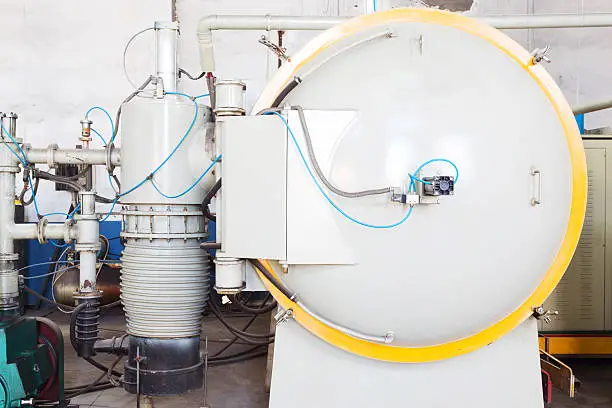
The next critical phase is the vacuum sintering process, where multiple layers of wire mesh are diffusion-bonded at precisely controlled temperatures. This step is essential for creating high-strength interlayer metallurgical bonds while preserving the three-dimensional porous structure required for efficient filtration. Both sintering temperature and duration are meticulously calibrated to enhance the mechanical properties of the mesh without compromising its permeability.
 |
 |
Final Performance And Pleated Cartridge Advantages
This synergy of high-performance materials and advanced manufacturing protocols ensures that the final product delivers superior performance, reliability, and durability throughout its operational life, enabling effective filtration in demanding industrial applications. The Pleated SS Wire Mesh Cartridge design, integrated with this precision manufacturing process, provides significantly increased surface area and superior dirt-holding capacity, further optimizing filtration performance in the most challenging environments.
Engineering The Pleated Design Architecture
Design Logic For Maximizing Filtration Surface Area
The engineering of the pleated filter cartridge is based on a design logic aimed at maximizing filtration surface area within compact spatial constraints. This innovative architecture ensures that industrial filtration systems achieve high performance without requiring larger, bulkier filter housings. Engineers precisely calculate pleat geometry to optimize the dirt-holding capacity of the media while ensuring that pressure drop (ΔP) characteristics remain within acceptable limits. The objective is to enhance filtration efficiency while maintaining fluid flow rates that meet the critical operational requirements of industrial processes.
Precision Pleat Geometry And Flow Distribution
Each pleat is shaped with exact precision utilizing specialized equipment that ensures consistent angles and uniform spacing throughout the entire length of the cartridge. This attention to detail guarantees uniform flow distribution, preventing the formation of localized high-velocity zones that could negatively influence filtration efficiency or lead to premature failure of the filter media. The consistency of the pleated design allows for more effective contaminant retention and superior overall performance, even under high-flow conditions.
Performance Gains And Operational Efficiency
The Pleated SS Wire Mesh Cartridge design typically increases the effective filtration area by up to 300% compared to conventional flat-sheet filter configurations. This significant expansion in surface area translates directly into extended service intervals, fewer maintenance cycles, and improved operational economics for industrial facilities. Process engineers, particularly in high-volume applications, highly value this enhanced dirt-holding capacity, which contributes to reducing downtime and optimizing filtration efficiency.
Structural Support And Mechanical Stability
To reinforce the pleated structure under operational conditions, critical support components are integrated into the design. These internal supports prevent pleat collapse during backwashing cycles or when the filter is exposed to fluctuating differential pressures (ΔP). This reinforcement strategy strikes an optimal balance between maintaining mechanical stability and optimizing flow characteristics, ensuring the filter operates at peak performance throughout its entire service life.
Advanced Construction Techniques And Quality Control
Integrated Manufacturing And Quality Assurance Processes
Modern manufacturing facilities utilize advanced quality control protocols throughout the production process. Each production stage incorporates specific testing methodologies to verify dimensional accuracy, pore structure integrity, and mechanical strength characteristics.
Filtration Integrity And Bubble Point Testing
Bubble point testing validates pore size distribution and ensures consistent micron ratings across the entire filter surface. This non-destructive testing (NDT) procedure provides quantitative data on the cartridge's filtration capabilities and helps maintain rigorous batch-to-batch consistency.
Flow Performance And System Optimization
Flow rate characterization establishes the pressure-drop vs. flow relationship for each cartridge design. Engineers utilize this empirical data to optimize system design and predict operational performance under varying service conditions. The testing protocol simulates real-world operating scenarios to provide accurate, high-fidelity performance projections.
Pressure Resistance And Structural Validation
Burst pressure validation ensures the cartridge can withstand system pressure surges and emergency conditions. This testing protocol subjects each design to pressures significantly exceeding normal operating levels to verify safety margins and structural integrity. By confirming these critical limits, we guarantee that FILTURE elements remain secure and functional even during unexpected system upsets.
Microstructural Analysis And Process Optimization
Metallographic examination reveals the internal microstructure of sintered bonds and confirms the integrity of diffusion bonding between wire mesh layers. This microscopic inspection provides critical insights into the efficacy of the manufacturing process, helping to optimize sintering parameters for enhanced structural performance.
Multi-Layer Integration And Structural Bonding
Layered Structure For Enhanced Filtration Performance
The multilayer construction approach combines diverse mesh grades to achieve specific filtration characteristics. Coarser outer layers provide structural support and pre-filtration capabilities, while finer internal layers capture smaller particles with high efficiency. Layer sequencing follows engineering principles that optimize particle capture mechanisms throughout the filter depth. This graduated approach maximizes dirt-holding capacity while maintaining a manageable pressure drop (ΔP) throughout the service cycle.
Interlayer Bonding And Structural Integrity
Interlayer bond strength directly impacts the cartridge's ability to withstand backwash cleaning and thermal cycling. Advanced sintering techniques ensure robust metallurgical bonds that maintain structural integrity throughout repeated cleaning cycles without delamination or mechanical failure. The sintering atmosphere composition significantly influences the final properties of the bonded joints. Controlled atmospheric conditions prevent oxidation while promoting optimal diffusion bonding between adjacent wire surfaces. This meticulous attention to process details ensures consistent product quality and reliable long-term performance.
Pleated Design Enhancement For Multi-Layer Systems
The Pleated SS Wire Mesh Cartridge construction synergistically enhances this multilayer strategy by providing robust structural reinforcement and optimizing dirt-holding capacity in the most demanding filtration environments. This integrated design ensures that the high-precision filtration layers remain protected and stable, even under the intense mechanical stresses of high-flow industrial applications.
Dimensional Precision And Interface Configuration
Diameter And Size Specifications
Standard outer diameters (OD) ensure seamless compatibility with common housing designs, while custom dimensions are engineered to serve highly specialized applications. Our manufacturing capabilities extend from compact 30mm cartridges for precision pilot and laboratory use to large-diameter units exceeding 350mm, specifically designed for high-capacity industrial process streams.
Length Options And System Flexibility
Longitudinal configurations range from 10-inch cartridges suitable for precision pilot or light industrial applications to 60-inch high-capacity units designed for large-scale industrial processes. This modular length approach provides system designers with maximum flexibility in scaling filtration capacity to align with specific volumetric flow requirements.
End Connections And Sealing Arrangements
End connection configurations encompass Single Open End (SOE), Double Open End (DOE), and a wide array of specialized sealing arrangements. O-ring grooves are precision-machined to exacting tolerances, ensuring hermetic-grade sealing while facilitating rapid, tool-free cartridge replacement during critical maintenance operations.
Flange Connections For High-Pressure Applications
Flange connections provide robust anchoring for high-pressure applications where threaded interfaces may be limited by mechanical stress or fatigue. Our flange designs incorporate industry-standard bolt patterns (such as ANSI, DIN, or JIS) to ensure seamless compatibility with existing system hardware and piping infrastructures.
Performance Optimization Through Design Innovation
Thermal Performance Characteristics
Thermal performance characteristics maintain structural integrity across extreme temperature ranges from -200°C to 1000°C, tailored through specific alloy selection and application requirements. This exceptional thermal tolerance supports a broad spectrum of critical industrial processes, ranging from cryogenic fluid management to high-temperature chemical synthesis and exhaust gas filtration.
Reusable Filter Cartridge Design
The reusable filter cartridge design optimizes Total Cost of Ownership (TCO) by supporting multiple cleaning and regeneration cycles. Our advanced backwash capability allows operators to restore design-flow performance and regenerate flux without the need for immediate cartridge replacement, significantly reducing operational expenditures (OpEx) and maintenance frequency.
Chemical Compatibility
Chemical compatibility exhibits exceptional inertness across aggressive solvents, organic compounds, and a wide range of acidic or alkaline media commonly encountered in industrial processes. The high-grade stainless steel construction (SS316L/SS304L) provides inherent resistance to corrosion and pitting, maintaining structural integrity even in the most hostile chemical environments.
Pressure Resistance And Structural Integrity
Pressure ratings up to 250 bar (3,625 PSI) ensure exceptional reliability in high-pressure systems while maintaining uncompromising filtration efficiency. The robust, all-welded construction is engineered to withstand frequent pressure cycling and transient pressure spikes without risk of structural deformation or performance degradation.
Conclusion
The construction of FILTURE pleated SS wire mesh cartridges represents a cutting-edge synergy of advanced materials science, precision manufacturing, and strategic engineering. These high-performance filtration components set industry benchmarks through their multilayer sintered architecture, optimized pleat geometries, and robust structural integration. By combining premium alloys with rigorous quality assurance, we ensure mission-critical reliability in the most demanding industrial environments. Mastering these construction principles enables procurement professionals and system engineers to select superior filtration solutions for their most sensitive applications.
Ready to Optimize Your Filtration Performance with FILTURE?
FILTURE stands as your premier Pleated SS Wire Mesh Cartridge partner, delivering precision-engineered filtration solutions that redefine industry benchmarks. Our advanced manufacturing ecosystem and rigorous quality assurance protocols ensure uncompromising performance for your most mission-critical applications. Contact our engineering team at sam.young@sintered-metal.com to co-engineer your specific requirements and discover how our innovative pleated designs can maximize your operational efficiency and long-term TCO.
References
1. Smith, J.A., et al. "Advanced Sintering Techniques for Metallic Filter Media Manufacturing." Journal of Industrial Filtration Technology, Vol. 45, No. 3, 2023, pp. 127-142.
2. Chen, L.M., and Rodriguez, P.K. "Pleated Filter Design Optimization for High-Performance Industrial Applications." Filtration & Separation Engineering Quarterly, Vol. 28, No. 2, 2023, pp. 89-105.
3. Thompson, R.B., et al. "Stainless Steel Wire Mesh Characterization for Filtration Applications." Materials Science and Engineering Review, Vol. 156, 2023, pp. 234-251.
4. Williams, A.D., and Kumar, S. "Quality Control Protocols in Sintered Metal Filter Manufacturing." Industrial Manufacturing Standards Journal, Vol. 39, No. 4, 2023, pp. 178-195.
5. Johnson, M.L., et al. "Thermal Performance Analysis of Pleated Metallic Filter Cartridges." High-Temperature Filtration Research, Vol. 31, No. 1, 2023, pp. 56-73.
6. Anderson, K.R., and Liu, X.H. "Structural Integrity Testing Methods for Industrial Filter Cartridges." Quality Assurance in Filtration Systems, Vol. 22, No. 3, 2023, pp. 145-162.
YOU MAY LIKE